Cognitive Function
Research suggests that even mild dehydration (as little as 1–2% body weight loss) may affect concentration, reaction time, and short-term memory. Maintaining fluid intake supports mental clarity.
Explore how hydration affects cognitive function, energy, and daily wellbeing. Evidence-informed approaches to understanding your fluid needs and building sustainable habits.
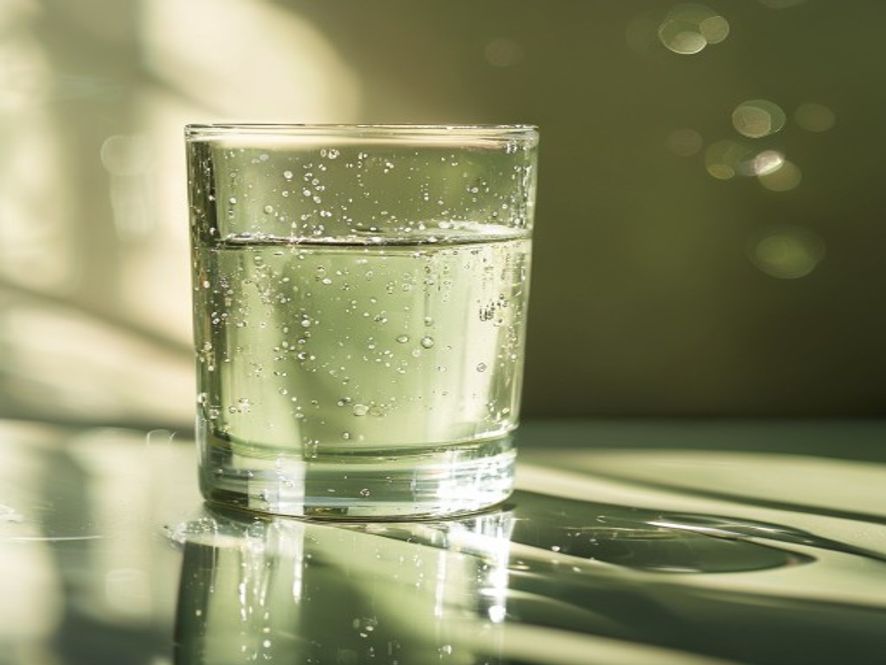
Your body is roughly 60% water. This water participates in every biological function—temperature regulation, nutrient transport, joint lubrication, cognitive processing, and energy metabolism. Understanding how fluid intake affects these systems helps you make informed choices about your own habits.
Research suggests that even mild dehydration (as little as 1–2% body weight loss) may affect concentration, reaction time, and short-term memory. Maintaining fluid intake supports mental clarity.
Adequate hydration helps maintain blood volume and supports heart function. Chronic dehydration may stress cardiovascular systems and impact physical performance.
Your body uses sweat to cool itself. Without sufficient fluid intake, your body cannot regulate temperature effectively, especially during activity or in warm environments.
Water is essential for digestion and helps prevent constipation. Many people improve digestive comfort by being more mindful of fluid intake throughout the day.
The "eight glasses a day" rule is a helpful starting point, though individual needs vary widely based on activity level, climate, body size, and metabolism.
Rather than rigid targets, we encourage awareness: noticing thirst signals, observing how different fluid intake patterns feel in your body, and adjusting based on your own experience.

While water is the most effective hydrant, other beverages and water-rich foods also contribute to daily fluid intake. Here's what the research suggests:
The gold standard. No calories, fully hydrating, and supports all body systems. Most people benefit from making water their primary fluid source.
Hydrating and offer additional benefits like antioxidants. Chamomile, peppermint, and ginger are popular choices in evening routines.
Useful for prolonged exercise or significant sweat loss. For everyday hydration, balanced electrolytes from food (sodium, potassium) support water retention.
Fruits and vegetables (80–90% water) like cucumber, watermelon, lettuce, and oranges contribute meaningfully to daily fluid intake alongside drinking water.
Your body sends signals when it needs more fluid. Learning to recognise these cues helps you respond proactively:
These signs warrant hydration. If symptoms persist, consult a healthcare professional.
For a week, notice when you drink and how much. Don't change anything yet—just observe your current pattern and how you feel.
Add one glass of water at a specific time each day (e.g., with breakfast). Notice the effect on your energy, focus, and mood.
Anchor hydration to existing habits. Drink water with meals, after movement, or when checking emails. These "habit stacks" create natural routines.
Adjust based on season, activity, and how your body responds. What works in winter may differ in summer. Stay flexible and responsive.
Our guides, programmes, and coaching help you build a personal approach to hydration that fits your life.
Start Your Journey